.png)


Skill Development
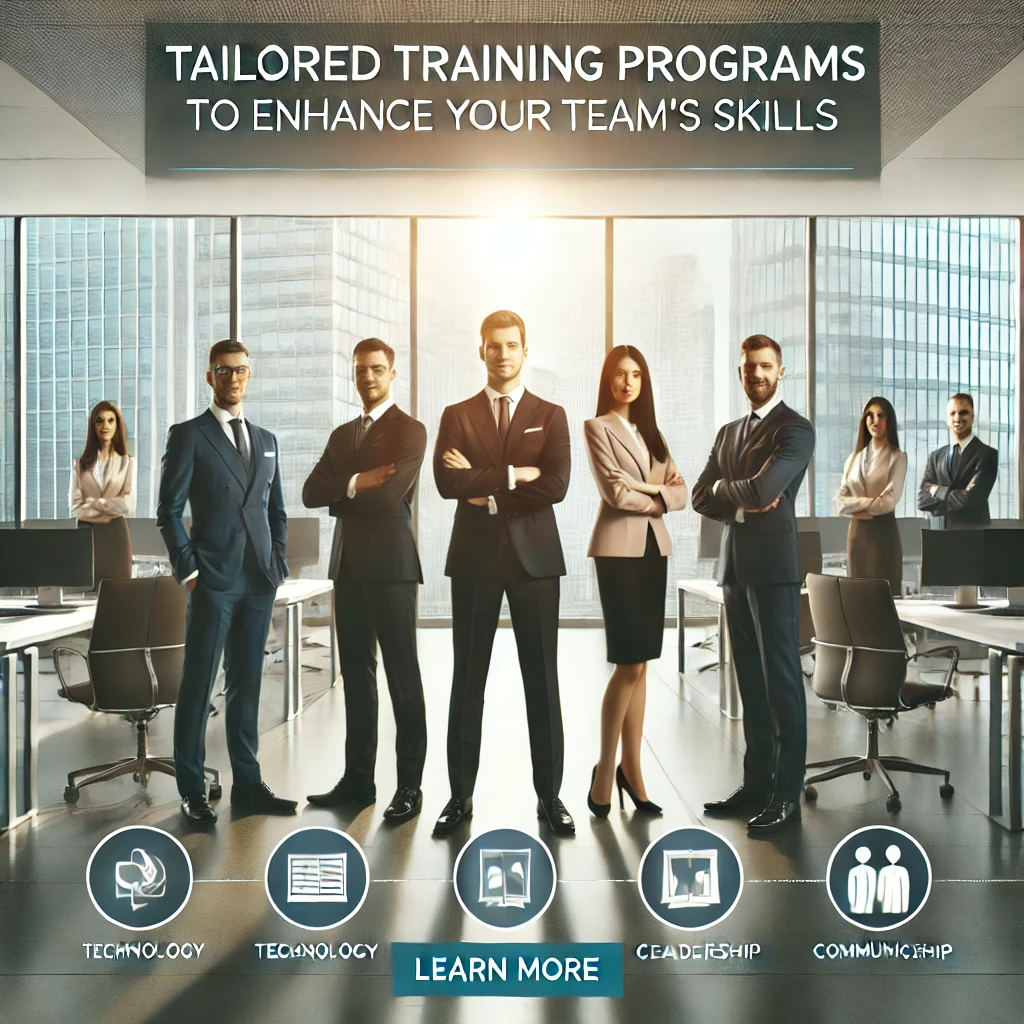
We provide customized training, using technology and tracking progress to create real results.
Why Skill Development Matters
Our approach to skill gaps starts by pinpointing key industry needs through targeted research and feedback. We craft training programs focused on sector-specific and soft skills to close these gaps effectively. Using technology, we offer accessible learning via online platforms and interactive tools. Collaborations with educational institutions and industry experts keep our curriculum up-to-date. We provide recognized certifications to validate skills and foster continuous learning. Regular assessments and feedback loops maintain program quality. Our commitment to inclusion allows for flexible schedules and financial aid, while success metrics track outcomes and encourage progress.
Our Approach to Addressing Skill Gaps
Identify Skill Gaps
Market Research:
Conduct comprehensive analyses of industry trends to
identify
in-demand skills.
Surveys and Feedback:
Gather insights from employers, employees, and job
seekers
to
pinpoint existing skill gaps.

Create Tailored Training Programs
Industry-Specific Training:
Design programs that cater to the unique needs
of
various sectors.
Soft Skills Development:
Include training modules focused on essential soft
skills
like communication, problem-solving, and leadership.
Leverage Technology
Online Learning Platforms:
Use e-learning tools to offer accessible training.
Interactive Tools:
Incorporate simulations and virtual labs to enhance the
learning experience.

Partnerships and Collaborations
Educational Institutions:
Forge partnerships with universities and
vocational
schools to align curricula with industry requirements.
Industry Experts:
Collaborate with professionals to ensure that training
programs
are current and relevant.

Certification and Credentials
Accreditation:
Offer recognized certifications to validate skills and
improve
employability.
Continuous Learning:
Promote ongoing education and professional development
to keep
skills updated.

Assessment and Feedback
Regular Evaluations:
Implement assessments to measure the effectiveness of
training
programs.
Feedback Loops:
Collect feedback from participants to continuously refine
and
enhance programs.

Accessibility and Inclusivity
Flexible Scheduling:
Provide training sessions at various times to
accommodate
different schedules.
Financial Support:
Offer scholarships or financial aid to broaden access to
training
opportunities.

Tracking and Metrics
Performance Metrics:
Monitor progress and outcomes to evaluate the impact of
training on productivity and employability.
Success Stories:
Showcase successful cases to inspire and guide future
participants.

Global Talent, Local Expertise-Connect with a
Leading Skilling Firm.
Addressing Your Industry-Specific Skilling Needs, Just for You